

-

Erringer Helbling
Co-Founder & President | RYT-200, RPYT
Erringer is a multi-disciplinary wellness practitioner committed to healing as an act of service. With a background that spans movement, sound, and herbalism, she offers a holistic approach to well-being.
She and her husband, Brian Miranda, first completed their 200-hour training with Yoga District to lead community classes. Erringer has since expanded her expertise into women’s health, earning her Registered Prenatal Yoga Teacher (RPYT) designation and Postnatal certification through Awakened Spirit Yoga.
Believing in the power of nature and vibration to heal, she also holds a Sound Practitioner Certification from Love & Alchemy (Natalie Valle) and completed a comprehensive year-long herbal apprenticeship with Wild Roots Apothecary. Erringer is dedicated to helping others find connection and grounding through these ancient modalities.
-

Megan Monaco
Co-Founder | RYT-200, Yin Yoga Certified
Growing up immersed in athletics, Megan developed a lifelong passion for movement, health, and wellness. Her journey evolved from competitive sports to a more holistic approach when she discovered yoga during college. What began as a physical practice soon became a pathway to deeper self-awareness, mindfulness, and balance—both on and off the mat.
With over a decade of experience, Megan brings a grounded, welcoming energy to her vinyasa classes, encouraging students of all levels to explore their own connection to movement, breath, and inner strength.
-
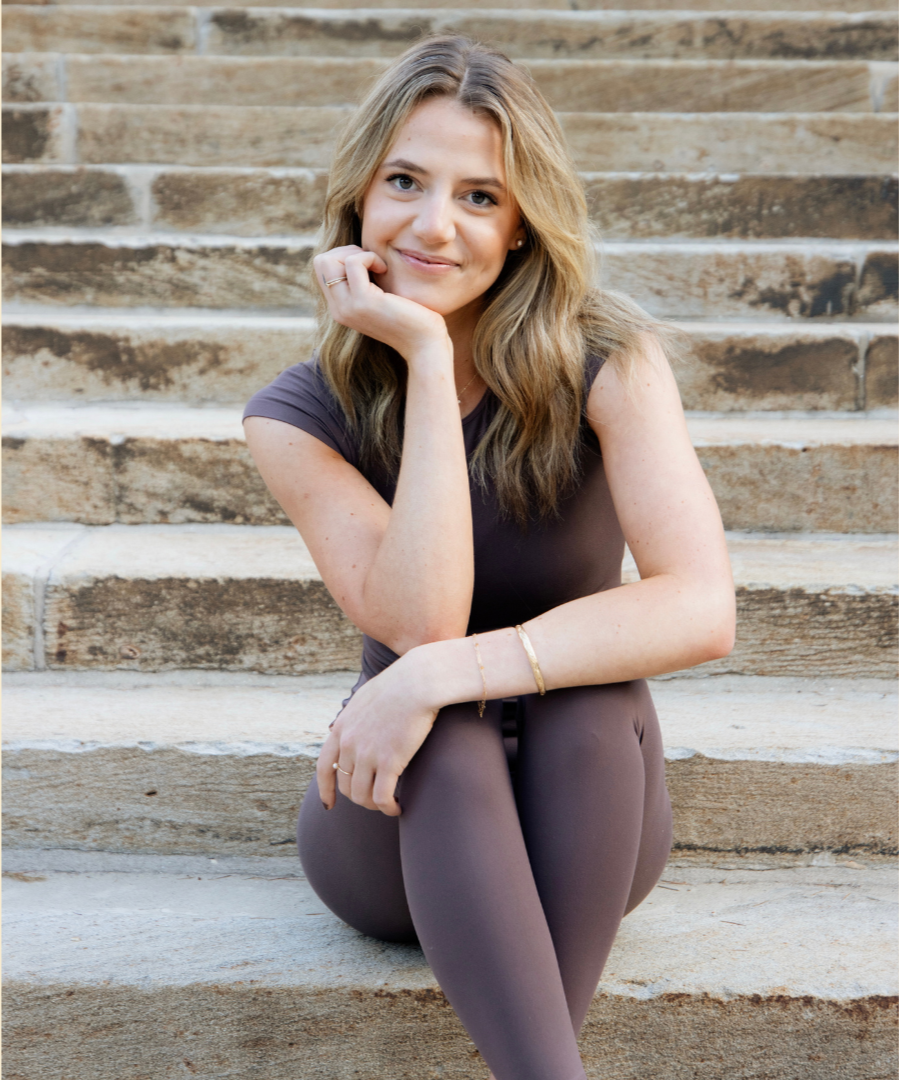
Ainsley Rowlison
Co-Founder | RYT-200, Specializes in Vinyasa & Yin
Ainsley’s journey with movement began in athletics at an early age, leading her to compete as a Division I lacrosse player, where she developed a deep appreciation for discipline, resilience, and the power of a steady practice. She discovered yoga as a way to find balance beyond competition, and it quickly became a pathway to mindfulness, community, and holistic well being.
A RYT 200 certified yoga instructor, Ainsley teaches vinyasa and yin inspired classes that blend strength, breath, and intentional stillness. She is also trained in the Art of Assisting, bringing an informed, supportive approach to hands on and verbal guidance that helps students feel safe, confident, and more at home in their bodies. Her teaching experience includes Baptiste Journey Into Power, all levels vinyasa, and full length yin style sessions.
Grounded by movement, community, and faith, Ainsley believes wellness should feel uplifting and approachable, inviting others to embrace both soft strength and deep ease in every season of life.
-

Ash Lee Manley
Co-Founder | RYT-200, Yin Yoga Certified
Ash Lee Manley is a full-time biologist with a strong background in cell biology, spanning experience from biopharma to biotech. Her scientific career is fueled by curiosity and dedication to advancing research, while her creative side shines as the cofounder of Demati Yoga, where she teaches vinyasa yoga.
Passionate about wellness and balance, Ash Lee blends science and mindfulness in her life, with a drive to share both knowledge and well-being with others.
-

Fatima Orozco Bardout
Chief of Staff
Fatima Orozco Bardout is a DC-based professional and Chief of Staff who discovered the power of wellness while navigating postpartum challenges.
Having spent seven years abroad in France, she embraced a philosophy of quality over quantity living, which continues to shape her practice today.
Through yoga and guided meditation, she is passionate about helping create a space for others to slow down, connect inward, and move with intention.
-
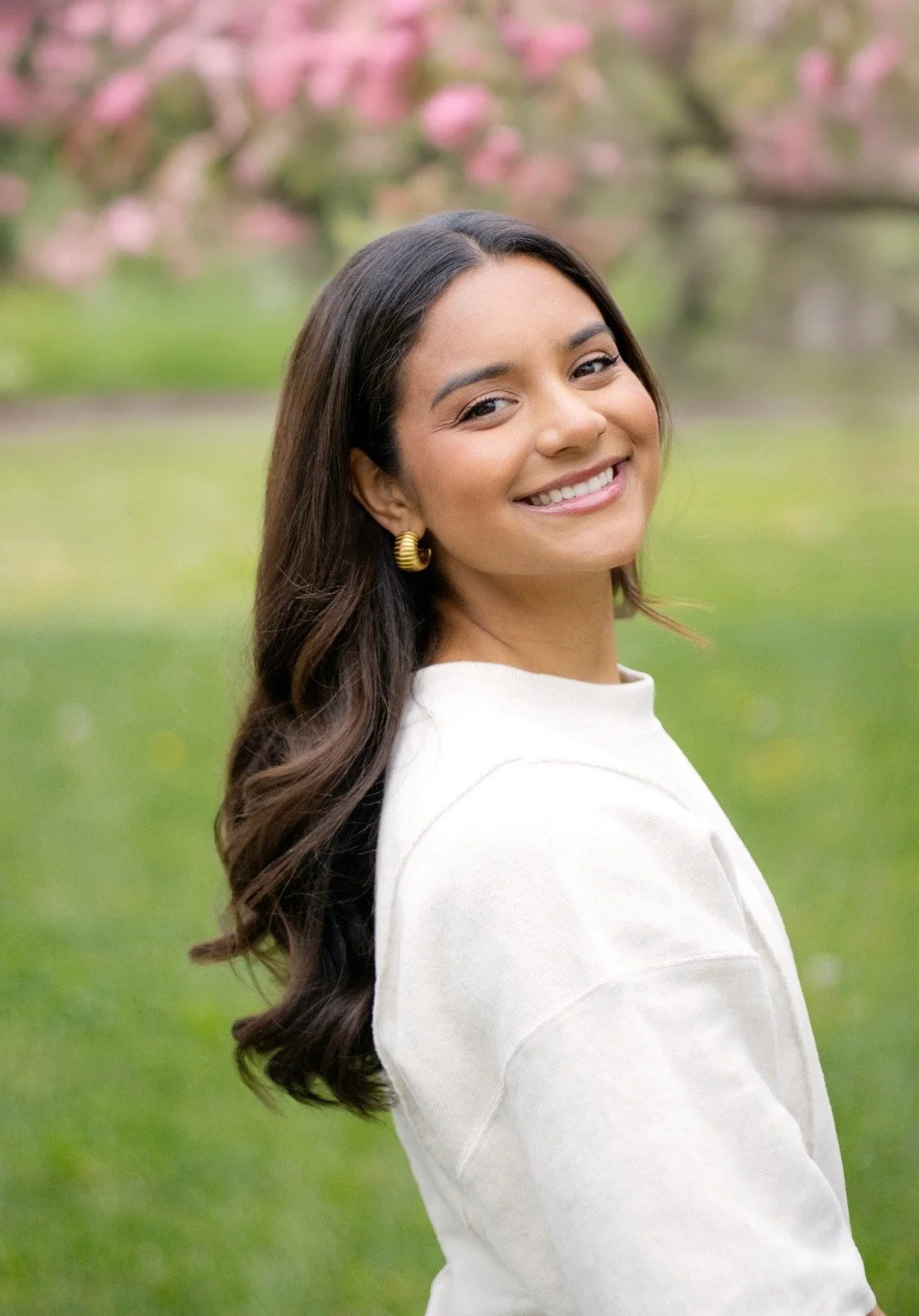
Amber Germer
Founding-Instructor
Amber’s journey with movement began on the lacrosse field, where her passion and dedication led her to compete as a Division I athlete. Through sports, she developed a deep appreciation for discipline, resilience, and the connection between physical and mental well-being.
Introduced to yoga by her sister, Amber found a practice that brought balance to the intensity of athletics and quickly fell in love with its ability to cultivate strength, mindfulness, and community.
She completed her 200-hour Baptiste Yoga Teacher Training and is trained in the Art of Assisting, allowing her to guide students with intention, support, and confidence.
In addition to teaching yoga, Amber coaches lacrosse and is passionate about helping others grow both on and off the mat. Grounded in faith, community, and a lifelong love of movement, she hopes to create an uplifting space where students can build strength, find balance, and feel at home in their bodies.
-
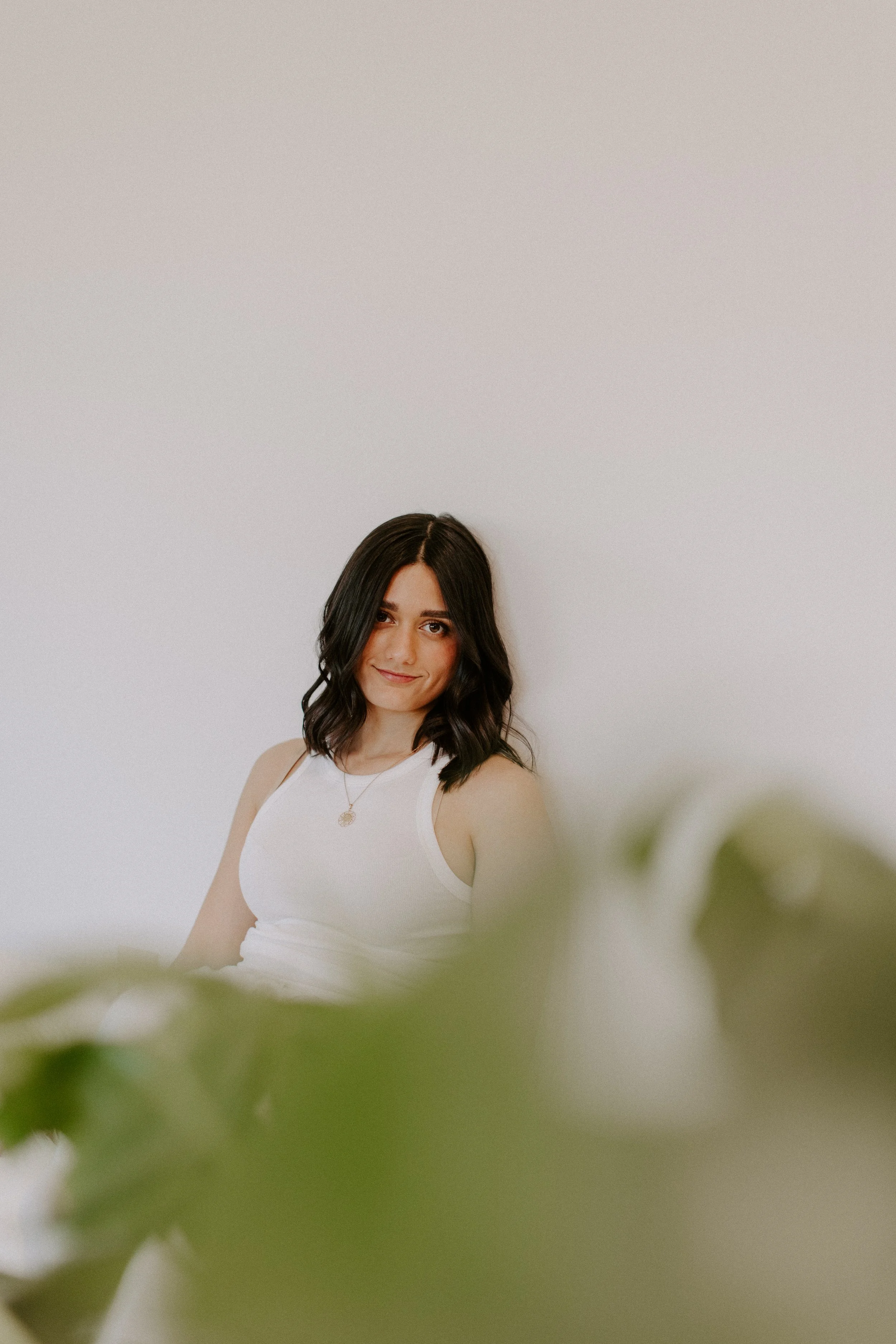
Taylor Welch
Founding-Instructor
Taylor Welch is a wellness educator, consultant, and practitioner passionate about helping people cultivate deeper connection - to themselves, their communities, and the natural world. Raised in the Virginia countryside among cattle, horses, and open fields, she spent over a decade working on a lavender farm, where she experienced firsthand the transformative power of nature, presence, and mindful living.
With a Master of Public Health from Virginia Tech and a background as a Certified Health Education Specialist, Taylor bridges public health, holistic wellness, and natural wisdom. She works with individuals and communities, integrating evidence-based behavior change with mind-body modalities to support sustainable, meaningful transformation.
As an RYT-500, Level 2 Breathwork Facilitator, and Level 1 Thai Bodyworker, Taylor brings a wealth of somatic knowledge to her teaching. Trained in Vinyasa, Hatha, Yin, Restorative, and the newly pioneered 7 Doorways style of yoga, her classes are embodied, soulful, and imaginative—creating an intentional space for students to connect with their center and experience the inherent magic of being alive.
-
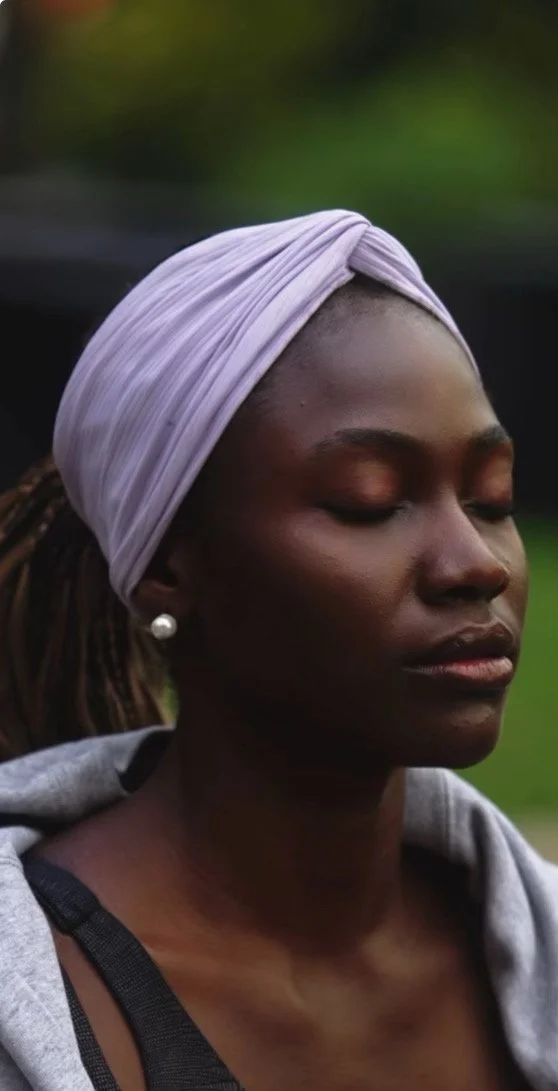
Rachel Okotete
Founding-Instructor
Rachel is a multidisciplinary wellness practitioner dedicated to helping people improve the quality of their health and reconnect with what it means to truly feel alive. Believing that healing isn’t one-size-fits-all, she integrates a range of evidence-informed and holistic practices to support the mind, body, and nervous system.
Drawing from breathwork, nervous system regulation, hot and cold therapy, yin yoga, vinyasa, and power yoga, Rachel creates experiences that help people reduce stress, build resilience, and cultivate a deeper relationship with themselves. Whether guiding a dynamic flow, a restorative practice, or an immersive breathwork session, her intention is to help others move through life with greater presence, vitality, and ease.
Rachel believes there are many pathways to healing, and each modality offers a unique doorway back to ourselves. Her work is rooted in the belief that when we learn to regulate our nervous system, move with intention, and reconnect with our breath, we don’t just feel better - we become more fully alive.